


Learners Live

BriteSwitch: Federal EV and EV Charger Tax Credits Have Ended. What Incentives Are Left?

The federal tax credits for EVs and EV chargers have now ended, but that doesn’t mean incentive opportunities have disappeared. There are still hundreds of programs available from states, utilities, municipalities, and other organizations. In fact, we’re currently tracking 141 open nonfederal EV incentive programs and 501 open nonfederal EV charger programs across the country. We took a closer look at what incentives are still available, where they’re coming from, and what companies should be watching as the market continues to change. With hundreds of programs across the country and frequent changes throughout the year, keeping up with EV and EV charger incentives can be difficult. BriteSwitch’s RebatePro tools make it easy to stay on top of all those changes. Federal EV and EV Charger Tax Credits Have Ended. What Incentives Are Left?
EV Charger Rebate Trends for 2026 by BriteSwitch

2025 was a complicated year for the EV industry. EV sales fell sharply in Q4, and for those in the charging business, the headlines may have felt unsettling. But vehicle sales and the charging business are telling two very different stories. The US added 17% more charging ports, and utilization continues to climb. Electrek reported 141 million charging sessions in 2025, a 30% increase over the previous year. There are more EVs on the road than ever, and drivers are using public charging stations more frequently. Rebates still play a crucial role in building up the EV charging infrastructure in North America, and they’re as strong as ever. We break down the five biggest EV charger rebate trends shaping 2026:

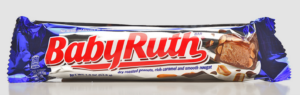
The Creator of Baby Ruth Actually Sued Babe Ruth –The Baby Ruth candy bar was created by the Curtiss Candy Company in 1920 — the same year that baseball legend Babe Ruth hit a then-record 54 home runs. But the Great Bambino was irked that the company was selling a candy bar with such a similar name to his own without offering him any royalties. Rather than take the Curtiss Candy Company to court, the Sultan of Swat decided to make his own candy bar, and in 1926 he debuted Ruth’s Home Run bar. The Curtiss Candy Company responded by turning the tables and taking Ruth to court. They accused the slugger of trying to steal their trademark and capitalize on the success of their brand. In a 1931 deposition, Curtiss founder Otto Schnering insisted the candy was named after “Baby Ruth” Cleveland — the daughter of President Grover Cleveland.  He also attested that the company came up with the name in 1919 before the baseball player had become a household name and that the name was merely coincidental. While the validity of those claims is disputed to this day, the court nonetheless ruled in favor of the candy company, forcing Ruth to end his foray into the world of candy.