


Humanoid Robots in the Construction Industry: A Future Vision

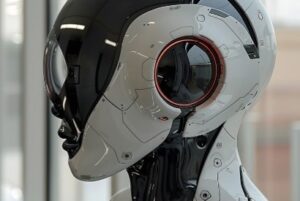 General-purpose robots could be useful in a range of construction activities, from moving heavy concrete blocks to welding and plumbing. Although these robots come in various forms, humanoids—those that resemble people in size and shape—attract the most attention. Humanoids are still relatively early in development, but they could potentially transform industries if developers and other stakeholders can overcome technological, regulatory, financial, and operational hurdles. Although humanoids are not yet a fixture at construction sites, they represent a potentially transformative solution to the productivity crisis. Their power comes from embodied AI, a technology that enables real-time decision-making. Rather than waiting for full-scale deployment to become a reality, forward-looking construction leaders should begin preparing now for a future in which humanoids and humans work together.Those who prepare now will be best positioned to seize the opportunities ahead. Humanoid robots involved in multiple4 construction sites at: Humanoid robots in the construction industry | McKinsey
 Once limited to research labs and specialized grow rooms, horticulture lighting has become one of the fastest-growing segments in the lighting industry. As technology costs drop and efficiency improves, these systems are now used in greenhouses, vertical farms, floriculture, and even in facilities producing plant-based vaccines. The global market is expanding at roughly 12% per year and is projected to reach $22 billion by 2033, making it one of the brightest opportunities for both lighting manufacturers and rebate-driven projects. Like they did with traditional lighting, LEDs have revolutionized grow lights. With 20 to 45% less energy usage than conventional HID grow lights, they provide a huge opportunity to cut operating costs for growers. The reduced wattage also means less waste heat, which is hugely beneficial to indoor growing operations. In October 2019, the
  At companies big and small, employees have feared being replaced by AI. The new threat: Being replaced by someone who knows AI. Rank-and-file employees across corporate America have grown worried over the past few years about being replaced by AI. Something else is happening now: AI is costing workers their jobs if their bosses believe they aren’t embracing the technology fast enough. From professional-services firms to technology companies, employers are pushing their staffs to learn generative AI and integrate programs like ChatGPT, Gemini or customized company-specific tools into their work. They’re sometimes using sticks rather than carrots. Anyone deemed untrainable or seen as dragging their feet risks being weeded out of hiring processes, marked down in performance reviews or laid off. Companies are putting their workers on notice about their AI skills amid a wave of white-collar job cuts. Some companies are training people in how to use the tools—but leaving it up to them to figure out what to use them for. There are countless possibilities for how to deploy AI. Some businesses have required training classes or set up help desks to coach employees on how to incorporate AI into their work. Others are putting the onus on staff to think creatively about how to make money or save time with the tech. That can prompt exciting innovations—or it may come at the expense of getting work done. Or both.