


Learners Live

Leverage AI to Overcome Data Chaos and Optimize Facility Operations by David Homola

Buildings’ operational data is often contained in multiple places that don’t talk to each other, which prevents facilities teams from using them to optimize operations. Here’s how you can clean up the chaos. Key Highlights

  • Data fragmentation and inconsistent documentation hinder AI’s ability to provide accurate insights in facility management.
  • AI enhances operational efficiency by automating data retrieval, surfacing recurring issues, and supporting proactive decision-making.
  • Standardizing data collection—categories, locations, and outcomes—is essential for AI to function effectively and build trust in automated insights.
  • Creating AI-ready facilities involves disciplined workflows, shared digital resources, and clear naming conventions to ensure data quality.
  • Implementing structured digital processes today prepares facility teams to leverage AI for predictive maintenance, compliance, and strategic planning in the future.

Leverage AI to Overcome Data Chaos and Optimize Facility Operations | Buildings
Navigating the Journey to AI-Ready Buildings by Schneider Electric

This paper explores how AI systems can be implemented and operated in commercial buildings to address the significant challenges that facility managers and building owners face today and in the immediate future. It also considers the wide range of benefits and new opportunities presented by the adoption of AI-enabled technologies and platforms, as well as all the key requirements for implementing AI in commercial buildings and across real estate portfolios. Download the paper: Navigating the Journey to AI-Ready Buildings | Buildings

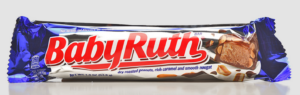
The Creator of Baby Ruth Actually Sued Babe Ruth –The Baby Ruth candy bar was created by the Curtiss Candy Company in 1920 — the same year that baseball legend Babe Ruth hit a then-record 54 home runs. But the Great Bambino was irked that the company was selling a candy bar with such a similar name to his own without offering him any royalties. Rather than take the Curtiss Candy Company to court, the Sultan of Swat decided to make his own candy bar, and in 1926 he debuted Ruth’s Home Run bar. The Curtiss Candy Company responded by turning the tables and taking Ruth to court. They accused the slugger of trying to steal their trademark and capitalize on the success of their brand. In a 1931 deposition, Curtiss founder Otto Schnering insisted the candy was named after “Baby Ruth” Cleveland — the daughter of President Grover Cleveland.  He also attested that the company came up with the name in 1919 before the baseball player had become a household name and that the name was merely coincidental. While the validity of those claims is disputed to this day, the court nonetheless ruled in favor of the candy company, forcing Ruth to end his foray into the world of candy.