


Rokid Launches AR Spatial Glasses with 300-Inch Virtual Display

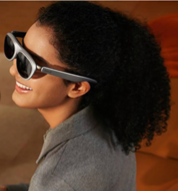 Rokid has officially launched its AR Spatial system, which bundles the lightweight Rokid Max 2 AR glasses with the new Station 2 wearable computing unit, offering a portable multi-display experience that aims to replace laptops, projectors, or even gaming monitors. When paired with the Station 2, users can access a 300-inch equivalent virtual display that supports up to three windows simultaneously. Rokid’s proprietary YodaOS Master system enables a true multi-screen environment for multitasking, presentations, or entertainment. Station 2 acts as both a spatial controller and a computing hub, running Android-based apps and supporting Bluetooth peripherals like keyboards and mice. With 3DOF spatial tracking and a 9-axis IMU, users can interact with apps using head and hand movement. The system connects with devices such as laptops, smartphones, the Nintendo Switch, and Steam Deck for a hybrid productivity and entertainment setup. [News] Rokid Launches AR Spatial Glasses with 300-Inch Virtual Display – LEDinside
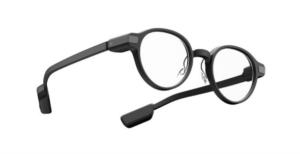 Dr. Qiu Xiaoling, CFO of JBD, has recently delivered a penetrating analysis of the MicroLED microdisplay and AR glasses ecosystem, illuminating how these once-independent frontiers are coalescing to redefine wearable AI. As AI evolves from merely being “smarter” toward truly “more attuned to you,” users increasingly expect an always-on digital assistant. AR glasses have emerged as the quintessential conduit for frictionless, context-aware interaction, and the ultra-compact MicroLED microdisplay has become the linchpin technology that turns the vision of lightweight, all-day wearable intelligence into daily reality. The fusion of AI and AR offers consumers a far more natural, convenient means of interaction and is catalyzing a revolution in smart wearable electronics. Meta’s CTO Andrew Bosworth has remarked, “The always‑on AI experience will allow smart glasses to replace the smartphone.”