


Learners Live

LEDs Gain Ground in Controlled Environment Agriculture Space by Tim Kridel

Key Takeaways

  • LED lighting has shifted from niche to mainstream in controlled environment agriculture, driven by improved spectrum, output, and cost reductions.
  • Energy efficiency of LEDs allows growers to achieve higher light levels with less power, enabling cost savings and increased crop productivity, especially in high-value sectors like cannabis.
  • Dynamic spectrum control enhances crop quality and yield by allowing growers to customize light recipes for different growth stages, improving nutritional density and shelf life.
  • Utility rebates and incentives significantly offset the higher upfront costs of LEDs, making them a financially attractive option for growers investing in long-term infrastructure.
  • LEDs’ lower heat output impacts HVAC and humidity management, creating new opportunities for electrical contractors to optimize greenhouse climate control systems.

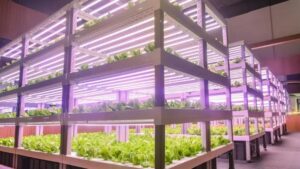
Those are just a few examples of artificial lighting’s role in controlled environment agriculture (CEA) facilities, which include greenhouses, warehouses, vertical farms, and even caves. The CEA market will grow from nearly $10 billion this year to $27.7 billion by 2035, Business Research Insights estimates. LED lighting is helping enable that growth. LEDs Gain Ground in Controlled Environment Agriculture Space | EC&M
The DLC’s Horticultural Lighting QPL- What You Need to Know by Kasey Holland

Valued at $7.8 billion last year, the global controlled environment agriculture (CEA) market is expanding at a compound annual growth rate of 12.2% and expected to reach $22 billion by 2033, according to a recent market research report. With lighting as the largest operational cost in CEA facilities, opportunities abound for indoor growers to save energy and reduce expenses with the right lights. The average efficacy of listed products has increased by nearly 25% since the DLC launched its horticultural lighting qualified products list (QPL) in 2019. There are now over 1,375 products from nearly 150 manufacturers on the Horticultural QPL – a more than 54% increase in listed products since 2020. The DLC’s Horticultural QPL offers CEA lighting specifiers and contractors increasing product variety, and CEA growers ample opportunities for savings. The DLC’s Horticultural Lighting Program aims to accelerate widespread adoption of high performance, energy-saving LED technology in the horticultural lighting sector. The Horticultural QPL is a key tool in advancing that goal. Accessing the QPL is simple – just create a free My DLC account to start searching. The DLC’s Horticultural Lighting QPL- What you need to know | EC&M
 

DLC Updates its Technical Requirements for LED-Based Horticultural Lighting

A new version of the DesignLights Consortium’s (DLC) Horticultural Lighting Technical Requirements released today strengthens efforts to improve the efficacy and quality of LED products used in the controlled environment agriculture (CEA) industry. Taking effect April 18, 2025, the DLC’s new requirements come at a time of burgeoning growth in the CEA sector. Valued at $7.8 billion last year, the global CEA market is expanding at a compound annual growth rate of 12.2 percent and expected to reach $22 billion by 2033, according to a February 2025 market research report. With lighting being the largest operational expense in CEA facilities, there are significant opportunities to increase energy efficiency and cost savings with the right lights. [News] DesignLights Consortium Updates its Technical Requirements for LED-Based Horticultural Lighting – LEDinside

Interesting: The Three Pillars of Independence of an Organization

The 3 Pillars of Independence most commonly refers to a framework from the UK voluntary sector (specifically promoted by organizations like Bond and the Directory of Social Change). It is a toolkit for assessing and maintaining the independence of charities, NGOs, or civil society organizations.

The Three Pillars are:

  1. Independent of Party Politics – The organization (or regulator) must remain free from bias or influence by any political party or the government of the day. Decisions should be impartial, not favoring one political side.
  2. Independent of Populism – It should not be swayed by popular public opinion, media-driven campaigns, or transient public pressure, especially on controversial or unpopular causes.
  3. Independent of the Press – Freedom from media influence or pressure, ensuring decisions are based on evidence and law rather than headlines or public narratives.

This toolkit was created to monitor potential political encroachment on charitable regulation and to ensure charities can operate without undue external interference.


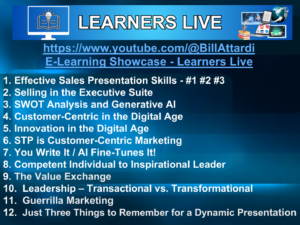
Check out the learning sessions we posted…

August Blog: Learning to Get Better by Bill Attardi

WE ARE NOW LIVE ON YOUTUBE: https://www.youtube.com/@BillAttardi