Learners Live

How eVTOLs Could Impact the Lighting Industry by David Shiller

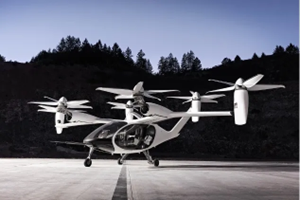
Flying cars have been a sci-fi staple for almost a century. There is a type of small flying vehicle that is now very close to commercial production. An eVTOL (electric Vertical Take-Off and Landing) is a new type of aircraft that uses electric power for vertical flight, allowing it to take off, hover, and land like a helicopter without a runway, while also transitioning to forward flight like a plane. These eco-friendly aircraft are designed for urban air mobility (UAM) to reduce traffic congestion, using multiple electric motors, advanced batteries, and often rotors or propellers for quiet, efficient, and potentially autonomous air taxi services. Here are some of the most likely impacts on the lighting industry at: How eVTOLs Could Impact The Lighting Industry | LightNOW

Data Center Boom Impacting the Lighting Industry by David Shiller
The data center sector has exploded into a major force in construction, fueled by the increasing demands of artificial intelligence. This surge is significantly boosting nonresidential construction planning, with projections indicating it could add substantially to U.S. economic growth in the coming years. This data center construction boom hasn’t gone unnoticed in the lighting industry. Some manufacturers are beefing up their product lines for the data center vertical. Some are increasing their marketing to position themselves as leaders in the data center lighting vertical, and some manufacturers are hiring specification salespeople to specialize in just the data center spec market. Major tech companies are leading the data center expansion with massive investments. Data Center Boom Impacting The Lighting Industry | LightNOW

What to Know About AI Agents and Their Impact on Lighting by David Shiller

AI agents differ significantly from traditional AI systems in terms of functionality. AI agents possess higher autonomy, making independent decisions without constant human oversight. AI agents are poised to reshape the lighting industry, bringing next levels of intelligence, efficiency, and personalization to lighting systems. Here’s how AI agents will transform various aspects of the lighting industry:

    1. Intelligent Lighting Control
    2. Personalized Lighting Experiences
    3. Automated Commissioning and Maintenance
    4. Energy Optimization
    5. Enhanced Design and Planning
    6. Integration with Smart Building Systems
    7. Market Growth and Innovation

More information is available hereWhat To Know About AI Agents And Their Impact On Lighting | LightNOW

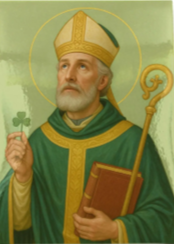
Happy St. Patrick’s Day—whether you’re going fact or legend, it’s a great excuse to celebrate!

St. Patrick is a mix of solid historical fact and popular myth/legend that grew over centuries. He was a real historical figure—a British-born missionary (likely from what is now Scotland or northern England/Wales area) who lived in the 5th century (roughly 385–461 AD). His birth name was probably Maewyn Succat, and he became known as Patricius (Patrick) later. He wrote two surviving documents: his Confessio (Confession) and a letter to Coroticus, which are the main primary sources about his life. These confirm he was kidnapped by Irish raiders as a teenager, enslaved in Ireland for about six years (herding sheep), escaped, trained for the church, and returned as a missionary bishop to convert the Irish to Christianity. He wasn’t the first Christian in Ireland—some communities already existed—but he’s credited with major missionary work and is the patron saint of Ireland.

Many beloved St. Patrick’s Day traditions and stories are myths or later embellishments: Myth: He drove the snakes out of Ireland. Completely legendary. Ireland has had no native snakes since the last Ice Age (about 10,000+ years ago)—the post-glacial island was isolated, and snakes never recolonized it. The “snakes” story symbolizes driving out paganism or “evil”  but it’s not historical. Myth: He used the shamrock to explain the Holy Trinity. This is a charming story, but it doesn’t show up in Patrick’s own writings or early biographies. While the shamrock (a three-leaf clover) became a symbol of Ireland and St. Patrick’s Day, the Trinity analogy is probably a later invention. Myth: St. Patrick was Irish by birth. No—he was Romano-British, captured and brought to Ireland against his will. Other common myths: Green wasn’t always the color associated with him or the holiday; massive parades and “wearing of the green” became big in America first; he didn’t drink green beer or eat corned beef and cabbage, those are more modern Irish-American traditions. In short: The man himself is fact—a brave, devout missionary who helped spread Christianity in Ireland. But many of the fun, magical tales attached to him are myths.

ni