Learners Live

The Future is Now for AI

AI is expected to have as much impact on the business world as any of the largest technological trends, including the internet and personal computers. This e-book is a terrific primer on harnessing its powers. Channel Marketing Grouprecently collaborated with Charles Labow to publish an e-book on artificial intelligence, “The AI-Enabled Distributor.” It’s a must read for any executive in the electrical market who needs a solid overview of how distributors, manufacturers and representatives can use AI in their businesses. Along with analysis of the various AI models in use today, Labow includes contributions from several AI experts out in the field. Labow says, “The goal is not to convince you that AI is inevitable. You already know that. The goal is to help you think clearly about where it actually applies, where it does not, and what responsible leadership looks like in this moment.” The book is available for $39 through this PayPal link.
Exclusive: Baird Research Examines Concern In Key Markets

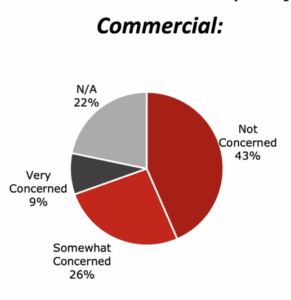
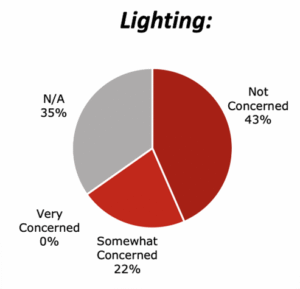
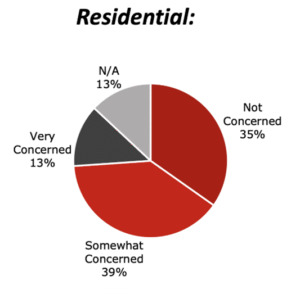
In tEDmagazine’s latest exclusive, quarterly Baird Research, we asked distributors a clear question: “How concerned are you about your company’s outlook in the following markets: Residential and Commercial?” While the results varied, the level of “very concerned” remained low. The research was conducted during the first two weeks of January 2026. Exclusive: Baird Research Examines Concern In Key Markets – tEDmag

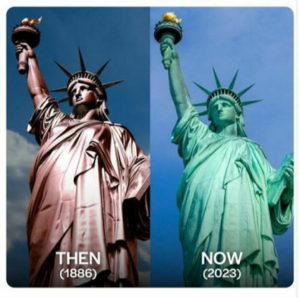
The Statue of Liberty was made with copper but due to oxidation, it turned green.

When the “Lady in the Harbor” first arrived in New York in 1886, she didn’t look like the mint-green icon we know today. In fact, for the first twenty years of her life, she stood as a towering, metallic beacon of reddish-gold. Designed by French sculptor Frédéric Auguste Bartholdi and engineered by Alexandre Gustave Eiffel, the statue was a gift from France to America. To build her, Bartholdi chose copper for three practical reasons:

  • Malleability:It could be hammered into elaborate, thin sheets.
  • Weight:Copper is lighter than stone or bronze, making it easier to ship 350 individual pieces across the Atlantic.
  • Durability:It was strong enough to survive a 27-day ocean voyage and the harsh winds of the harbor.

When she was unveiled on October 28, 1886, her skin—made of 300 copper sheets roughly the thickness of two pennies—shone with a bright, metallic brown luster. The transformation from “penny-colored” to “patina-green” wasn’t planned. Bartholdi actually expected the statue to age into a deeper, darker red. However, the unique environment of New York Harbor—a mix of salt air, moisture, and industrial pollution—triggered a process called oxidation.

The Timeline of Change:

  1. 1886–1900:The bright copper dulled into a dark, muddy brown.
  2. 1903:The first hints of a light green crust, or “patina,” began to appear.
  3. 1906:The color change was so controversial that Congress nearly stepped in. They appropriated $62,000 to paint the statue back to its original color, but the public protested, calling the idea “sacrilege.”
  4. 1910–1920:The statue was a patchy mix of brown and green until 1920, when the oxidation was complete, leaving her entirely teal.

While we now view the green color as iconic, it actually serves a vital structural purpose. The layer of verdigris (the green patina) acts as a protective shield. It seals the copper underneath, preventing the metal from further corrosion and weathering.  By the time the color fully changed, a new generation of immigrants had arrived in America seeing a green statue.