Drones Sharpen Focus on Emerging Applications by Deborah L. O’Mara

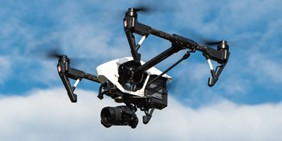 Packed with the latest sensing, machine-learning and computer processing technologies, the role of unmanned aerial vehicles (UAVs), also known as drones, is being redefined in next-generation emerging applications—finding increased use in markets seeking higher levels of safety and more efficient operations. The drone service market is on pace to reach more than $63 billion this year, according to Consortiq. Drones can be piloted remotely or fly autonomously with embedded GPS data that lets them follow preset flight parameters, reducing the need for human intervention. In addition, improved navigational technologies courtesy of A.I. and integrated, intelligent video edge sensors position drones as a safe fit for indoor applications such as warehouses, logistics, storage facilities, retail and office spaces. Drones Sharpen Focus on Emerging Applications – Electrical Contractor Magazine
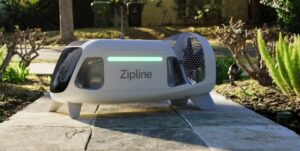 Soon your burrito bowl could arrive via the sky. Zipline’s drones make deliveries by lowering small coolers on 300-foot cables. A drone delivery startup Zipline is in the flying delivery race—competitors include Amazon and Google parent Alphabet—has emerged as a front-runner. For now, initial commercial testing in the U.S. is happening in Pea Ridge and Mesquite, Texas, just outside Dallas. Walmartis the only retail operation Zipline delivers for in the U.S. at present. For future partners, Zipline has designed a small pickup kiosk that can be installed just outside any building. Alphabet’s Wing drone service is already in the Dallas-Fort Worth area, delivering from 18 Walmarts to 40 nearby towns and cities within the drones’ six-mile range. Amazon is operating its drone delivery service in College Station, Texas, and an area near Phoenix, but in terms of scale, the online retail giant remains a distant third.