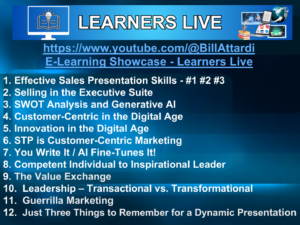
Learners Live

AI Boom to Drive Data Center Electricity Demand to 20% of US Total by 2035

Data centers in the US are projected to consume 20% of the nation’s electricity by 2035, a significant rise from 5.9% this year. The increase reflects a dramatic surge in energy demand, particularly in states like Virginia and Texas, where data centers are heavily clustered. BloombergNEF forecasts data center power requirements will reach 194 gigawatts, underscoring the sector’s escalating impact on national power consumption over the next decade. AI Boom to Drive Data Center Electricity Demand to 20% of US Total by 2035 – Bloomberg

Climate Intuition: Demand Is Here, Time to Build the Grid of Tomorrow

Electric grids worldwide are undergoing a transformation as surging electricity demand from data centers and electrification collides with aging, risk-prone infrastructure. This creates both national security imperatives and investment opportunities for grid resilience. Activities that harden, expand and modernize the grid are becoming increasingly attractive investment opportunities and policy priorities globally. Key takeaways: Grid Resilience: Neglected No More

  • Electricity demand is surging, driven by data centers and electrification. To meet it, grid infrastructure will need to be built and upgraded over the next decade.
  • The aging grid is a national security risk. Decades-old equipment is more likely to fail and is vulnerable to extreme weather, cyber risks and geopolitical threats, making it easier for adversaries or disasters to cause widespread outages if not addressed.
  • This also presents a massive investment opportunity. Globally, about $5.8 trillion is forecast for grid upgrades between 2026–2035, with roughly $700 billion for digital grid tech; the U.S. alone expects investments of about $1 trillion over the coming decade.
  • Policies and permits are key to success. While governments are pushing modernization, long siting and approval timelines can slow progress and affect costs for consumers.


Interesting: The Three Pillars of Independence of an Organization

The 3 Pillars of Independence most commonly refers to a framework from the UK voluntary sector (specifically promoted by organizations like Bond and the Directory of Social Change). It is a toolkit for assessing and maintaining the independence of charities, NGOs, or civil society organizations.

The Three Pillars are:

  1. Independent of Party Politics – The organization (or regulator) must remain free from bias or influence by any political party or the government of the day. Decisions should be impartial, not favoring one political side.
  2. Independent of Populism – It should not be swayed by popular public opinion, media-driven campaigns, or transient public pressure, especially on controversial or unpopular causes.
  3. Independent of the Press – Freedom from media influence or pressure, ensuring decisions are based on evidence and law rather than headlines or public narratives.

This toolkit was created to monitor potential political encroachment on charitable regulation and to ensure charities can operate without undue external interference.


Check out the learning sessions we posted…

August Blog: Learning to Get Better by Bill Attardi

WE ARE NOW LIVE ON YOUTUBE: https://www.youtube.com/@BillAttardi