IEA: Global EV Sales Headed for Another Record Year Despite the Early Stumble by Michelle Lewis

According to the International Energy Agency’s (IEA) new Global EV Outlook, electric car sales are expected to hit 23 million in 2026, making up nearly 30% of all new cars sold worldwide. That comes after EV sales topped 20 million in 2025, up 20% year over year, with 1 in 4 new cars sold globally now electric. The IEA says global EV sales momentum is continuing despite the ongoing energy crisis tied to the war in the Middle East. And in many places, rising fuel prices are actually making EVs look even more attractive to buyers. The IEA said nearly 90 countries posted year-over-year EV sales growth in March, and around 30 countries set monthly records. The report projects the global EV fleet could grow from nearly 80 million vehicles today to as many as 510 million by 2035. IEA: Global EV sales headed for another record year despite the early stumble | Electrek
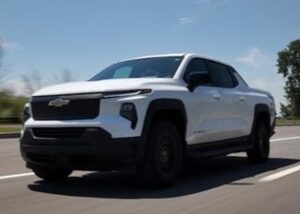 General Motors just revealed that its employees recently took a 2026 Chevrolet Silverado EV on a ridiculous 1,059.2-mile trek across Metro Detroit without stopping for a battery top-up. That journey has now secured a EV range world record for the brand, besting
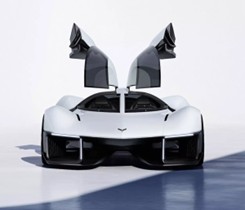 It’s a beautiful vision of an all-electric, wide hypercar, but it has nothing to do with the Corvette mark. One of three General Motors will unveil over the next year, each from a different design studio. It’s a beautiful supercar — low and wide with a classic mid-engine bubble-cockpit profile — but you’d never know it’s a Corvette. The front fin lights recall the design codes of GM’s premium label, Cadillac. The wrap-around windshield borrows from Koenigsegg and Saab. The porous aero elements mirror other electric hypercars like the Lotus Evija and Porsche Mission X, while the split between smooth upper aero and aggressive lower carbon elements appears on countless modern supercars.