Challenging Journey to Inspirational Leadership

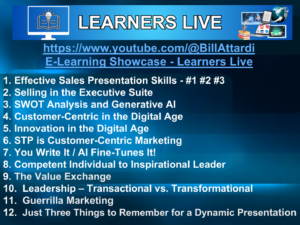
I’m sure you, like me, have read many books over the years about leadership. Are leaders born or made? Answer: YES to both! Just posted a virtual learning session on YouTube and LearnersLive.com is about:
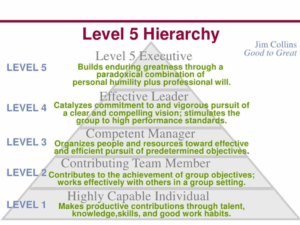
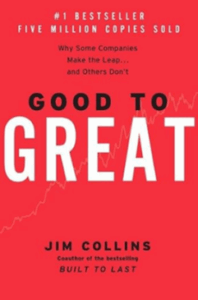
- Good to Great by Jim Collins
- Extreme Ownership by former U.S. Navy SEALS Jock Willink & Leif Babin
Powerful leadership principles from the battlefield to business and to life.

We take you on a challenging journey from being a competent individual to an inspirational leader…..the key word is “challenging”. Competent Individual to Inspiration Leader
Inspirational Leaders possess certain attributes that distinguish them from everyone else. They anticipate rather than react to change. Some call that vision. They become essential facilitators of change within their altered environment. They can skillfully communicate the new and technically esoteric with a clarity that leads to understanding and advocacy. Those in their lead execute the plan because they want to.
In every environment, in every company, in every department, in every office, in every classroom, on every team, there are inequities. Men and women come in all sizes, all levels of acumen, all degrees of competency, skill and talent……..Many times in any organization and often, not of your choosing, you get a diversity of high performers, good performers, weak performers, and those that do not contribute a dime to the performance of the team. When it comes to standards of performance, you have to decide how much are you willing to tolerate. Inspirational leaders put together teams of exceptional talent and high standards of performance. In the book Extreme Talent, the former Navy Seals say it bluntly: “There are no bad teams, only bad leaders.” If your team fails, it’s on you the Leader. Get your arms around that concept…..
Inspirational Leaders have certain skills and they are good at it, rather, they are expert at it.
- Set Goals… get buy-in by everybody!
- Opportunities – vision & execution
- Problem-Solving –
- Internal: to prevent damage to the business
- External: to solve customer pain points
- Decision-Making – do the right things
About LearnersLive
LearnersLive.com is a platform dedicated to continuous learning and professional growth. Focused on leadership, marketing, and management, the site offers virtual courses, expert interviews, and curated industry resources. With new content added regularly, LearnersLive.com empowers individuals and organizations to embrace change through ongoing education and insight.