Lutron Releases 2026 Luxury Residential Trend Report

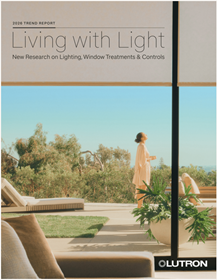 Lutron Electronics has released its Luxury Residential 2026 Trend Report: Living with Light, providing an in-depth look at emerging trends in residential lighting, automated shades, and controls. Informed by custom surveys from The Harris Poll driven by insights from high-net-worth homeowners and residential designers and architects, as well as Lutron sales and product data, the report highlights how lighting, shading, and controls are now central to both the aesthetic and emotional experience of a home. The report strongly signals that homes are increasingly prioritizing mood, wellness, and personalization. Motorized shades and app-controlled lighting are shifting from luxury upgrades to expected design essentials, while layered, tunable light is foundational to creating spaces that feel human, flexible, and attuned to the rhythms of daily life. Key findings:
- Lighting as the Heart of the Home
- The Shift Toward Dynamic, Tunable Light
- The Evolution of Window Treatments
- Customization, Personalization, and Materials
- Smart Controls Complete the Design and the Experience
Download the complete report in PDF format: Lutron 2026 Trend Report – Dropbox
 The WAC HOME smart lighting system allows users to control lighting with a tap or a voice command. They can adjust the color temperature or brightness of a single light, set up groups or manage an entire home’s lighting, inside and outdoors. The system is engineered with smart WAC- Mesh technology and the MyWAC app for enhanced control and connectivity to manage and monitor lighting from anywhere worldwide. Users can schedule luminaires according to dates/times, special events, and scenes within the comfort of their home. They can set custom CCT and intensity ranges or choose from a selection of presets for a personalized experience in every room.