


Learners Live

Data Center Boom Impacting the Lighting Industry by David Shiller

The data center sector has exploded into a major force in construction, fueled by the increasing demands of artificial intelligence. This surge is significantly boosting nonresidential construction planning, with projections indicating it could add substantially to U.S. economic growth in the coming years. This data center construction boom hasn’t gone unnoticed in the lighting industry. Some manufacturers are beefing up their product lines for the data center vertical. Some are increasing their marketing to position themselves as leaders in the data center lighting vertical, and some manufacturers are hiring specification salespeople to specialize in just the data center spec market. Major tech companies are leading the data center expansion with massive investments. Data Center Boom Impacting The Lighting Industry | LightNOW
Your Guide to LEDucation 2025 and the EdisonReport Media Network

As LEDucation 2025approaches, attendees can look forward to an exciting lineup of virtual sessions, in-person events, and special recognitions. Below is everything you need to know, including schedules and registration details. 13–14 March: Virtual Sessions LEDucation 2025 offers 15 virtual sessions over two days, covering a diverse range of lighting industry topics. Attendees can register for individual sessions ($20 per session) or purchase a full virtual pass ($50) for access to all.  Register here.  Your Guide to LEDucation 2025 – EdisonReport

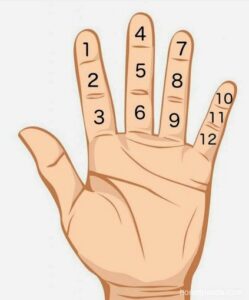
Telling Time – 12-hour time is a very ancient system that traces back to the Mesopotamian empires. They had a cultural fixation with the number 12, used a base-12 numerical system, and divided up most things into 12ths whenever possible – including day and night. The 12 hours of day and 12 hours of night system spread throughout Europe and the Middle East and has defied multiple attempts to change it over the centuries. Also, for anyone curious as to why there was such a love of the number 12, it was because that was how they counted on their hand. Look at your hand. Notice how each of your fingers minus your thumb has three easily identifiable parts to it. They used to count by using their thumb to count each part of the finger, much in the same way we count to 10 using our fingers today. So, 12 was the max you could count on one hand.