Lighting Controls: From Code Compliance to Retrofits by Sean Grasby

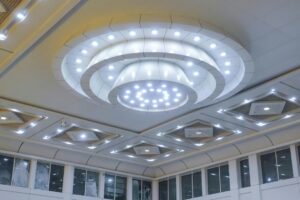 When we talk about lighting controls, we often limit the conversation by focusing on how lights are turned on and off, or how to optimize lighting in various spaces to enhance productivity or conserve energy. While these are important things to consider, in reality, any conversation about lighting control systems should also include several other elements as well. When electrical contractors engage with customers about lighting controls, they should ensure that any conversations also incorporate code requirements, “future-proofing,” and whether a retrofit may be beneficial. Lighting Controls: From Code Compliance to Retrofits | EC&M
Ensuring lighting controls meet code requirements
As energy codes become more stringent, contractors now need to collaborate with lighting designers, architects, and engineers to not only ensure the lighting design and performance fit the specific needs, but also to comply with industry codes. Clearly, this is no small task — in many cases, a trusted distribution partner can bring in the right expertise or handle much of the administrative burden on the contractor’s behalf.
Key Takeaways
- Ensuring lighting control systems meet industry standards such as ASHRAE 90.1, IECC, and NFPA 101 is essential for compliance and safety.
- Future-proofing involves selecting adaptable, integrated lighting controls that support upgrades and system integrations like HVAC and BMS.
- Retrofits offer a cost-effective way to upgrade lighting technology, improve efficiency, and reduce disruption compared to new construction projects.
- Advanced controls like luminaire level lighting control (LLLC) optimize energy use and enable real-time environmental adjustments.
 “
“