


Learners Live

Texas and Arkansas DOTs Recognize NEMA’s Make It America

The TxDOT and ARDOT have become the first state DOTs to recognize NEMA’s Make It American® program as an industry resource, an important step toward giving manufacturers, contractors, and public agencies a clearer and more consistent way to navigate domestic-content requirements. The Build America, Buy America Act established domestic content requirements for federally funded infrastructure projects, aimed at strengthening U.S. manufacturing and expanding the use of domestic products. In practice, though, manufacturers, contractors, and project owners often face significant complexity in determining whether products qualify, assembling the right documentation, and demonstrating compliance consistently across different projects and agencies. Make It American was built to make that process easier. With federal recognition, bipartisan support in Congress, and now leadership from Texas and Arkansas, NEMA’s Make It American program is increasingly becoming part of that solution. Texas and Arkansas DOTs Recognize NEMA’s Make It American – tEDmag
NEMA Celebrates Make It American™ Program’s First Anniversary with Landmark Schneider Electric Certification Milestone

In a first for American manufacturing, the National Electrical Manufacturers Association (NEMA) today announced that Schneider Electric has earned Make It AmericanTM certification for each of its 20-plus U.S. manufacturing facilities – the first company in the program’s history to certify its entire domestic manufacturing footprint. The milestone coincides with the one-year anniversary of the Make It American program’s launch and underscores the growing momentum among American manufacturers to demonstrate and validate their commitment to domestic production. NEMA Celebrates Make It American™ Program’s First Anniversary with Landmark Schneider Electric Certification Milestone – NEMA

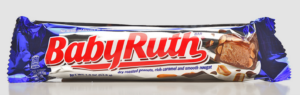
The Creator of Baby Ruth Actually Sued Babe Ruth –The Baby Ruth candy bar was created by the Curtiss Candy Company in 1920 — the same year that baseball legend Babe Ruth hit a then-record 54 home runs. But the Great Bambino was irked that the company was selling a candy bar with such a similar name to his own without offering him any royalties. Rather than take the Curtiss Candy Company to court, the Sultan of Swat decided to make his own candy bar, and in 1926 he debuted Ruth’s Home Run bar. The Curtiss Candy Company responded by turning the tables and taking Ruth to court. They accused the slugger of trying to steal their trademark and capitalize on the success of their brand. In a 1931 deposition, Curtiss founder Otto Schnering insisted the candy was named after “Baby Ruth” Cleveland — the daughter of President Grover Cleveland.  He also attested that the company came up with the name in 1919 before the baseball player had become a household name and that the name was merely coincidental. While the validity of those claims is disputed to this day, the court nonetheless ruled in favor of the candy company, forcing Ruth to end his foray into the world of candy.