SATCO|NUVO’s Omni Directional CFL Replacement Lamps

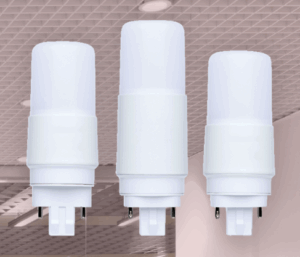 Type A+B Dual Mode SATCO|NUVO’s CFL replacement lamps deliver reliable, energy-efficient performance in a compact and versatile PL shape. This comprehensive line offers 5W or 7W options to replace 13W, 18W, or 26W CFLs, with dedicated color temperatures from 2700K to 5000K and lumen outputs ranging from 580 to 910. A+B dual mode ballast compatibility ensures flexibility for both plug-and-play and ballast bypass installations. Constructed with durable aluminum and plastic and finished with a frosted lens, they provide even, glare-free illumination in any universal operating position. Damp location rated with a 50,000-hour lifespan and backed by a 5-year warranty; these non-dimmable lamps are built for lasting performance. GX23 and G24d base options make them an ideal solution for a wide range of CFL retrofit applications. Download the Specification Sheet SN1892_Omni_Pin_Based_Lamps_8-14-25.pdf SATCO/NUVO > New Products
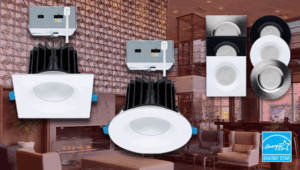 SATCO|NUVO LED Architectural Downlights offer a high lumen output, making them ideal for high ceiling applications. With a 40° beam angle, these downlights provide ample illumination in residential, hospitality and retail applications. Choose from three wattages and five color temperatures at installation to create the desired ambient experience. Available in a variety of shapes and professional finishes. Dual dimming capabilities, including phase-cut dimming at 120V and 0-10V dimming at 120V-277V, allow for precise lighting control. Designed with commercial applications in mind, these remote driver downlights feature a FT6 cable for use in commercial plenums, and a hinging driver to ensure easy fit no matter the clearance. Each downlight features two switches to choose from 16W/20W/24W and 2700K/3000K/3500K/4000K/5000K to create the perfect lighting for your setting. 90 CRI, Dual Dimming, Wet Location, IC Rated, AT Rated, Energy Star, Title 24
  Elevate your job-site lighting with SATCO|NUVO’s PRO Series Temporary Work Lights. Designed to endure tough conditions, these durable yet lightweight lamps are perfect for both indoor and outdoor use. Choose from three models: 60W with 6,000 lumens, 100W with 10,000 lumens, or 150W with 15,000 lumens, to meet your specific lighting needs. Constructed for rapid heat dissipation, each lamp also features a 15-foot quick-connect power cord for easy setup. The spring-loaded folding handle allows for effortless installation and maneuverability. Delivering 360-degree illumination, these lamps include integrated 4kV surge protection and IP65 rated connectors, enabling multiple units to link together seamlessly to illuminate expansive workspaces.