BriteSwitch: Commercial Lighting Rebate Trends for 2026

Electricity costs continue to climb, and commercial customers are once again taking a closer look at energy efficiency. In 2025 alone, average commercial electricity rates increased by roughly 7%, with some regions seeing increases as high as 29%. As operating costs rise, lighting rebates remain one of the most effective tools for improving project economics. So what does the commercial lighting rebate landscape actually look like in 2026, and what’s different this year? Most programs are still available this year, incentive amounts are up, and rebate structures are continuing to evolve. The following trends are shaping the commercial lighting rebate landscape in 2026.
- 75% of the Country Is Covered by a Commercial Lighting Rebate
- Rebate Amounts Increased by 17% on Average
- Incentive Structures Shift Toward Energy Savings
- LED-to-LED Incentives Are Growing, But Still Limited
- Some Programs Sunset Incentives for Fluorescent Lighting Replacements
- Continued Focus on Lighting Controls
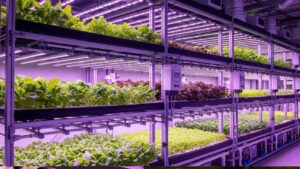 Once limited to research labs and specialized grow rooms, horticulture lighting has become one of the fastest-growing segments in the lighting industry. As technology costs drop and efficiency improves, these systems are now used in greenhouses, vertical farms, floriculture, and even in facilities producing plant-based vaccines. The global market is expanding at roughly 12% per year and is projected to reach $22 billion by 2033, making it one of the brightest opportunities for both lighting manufacturers and rebate-driven projects. Like they did with traditional lighting, LEDs have revolutionized grow lights. With 20 to 45% less energy usage than conventional HID grow lights, they provide a huge opportunity to cut operating costs for growers. The reduced wattage also means less waste heat, which is hugely beneficial to indoor growing operations. In October 2019, the