Introducing Samsung’s Galaxy XR AI-Glasses: Opening New Worlds

 Samsung Electronics unveiled Galaxy XR, introducing a new category of AI-native devices designed to deliver immersive experiences in a form factor optimized for multimodal AI. As the first product built on the new Android XR platform developed together by Samsung, Google, and Qualcomm Technologies, Galaxy XR showcases the future of discovery, play, and work, enabling users to enjoy natural, deeply immersive experiences — from daily tasks to bold new frontiers. It’s the first step in Samsung’s long-term XR journey, with innovations to come across the full spectrum of XR form factors, including AI glasses. Galaxy XR is unlocking new possibilities with multimodal AI, transforming how people connect with the world through technology in their daily lives. [News] Introducing Galaxy XR: Opening New Worlds – LEDinside
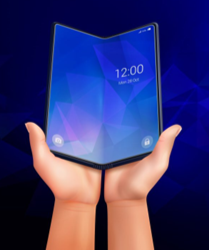 Apple is expected to launch its first foldable smartphone in 2026, and competition among potential component suppliers is already intensifying. According to Patently Apple, which cited a well-known analyst, Samsung Display is likely to supply a crease-free display solution for the device. The internal hinge, according to the report, plays a crucial role in minimizing screen creases when the device is unfolded. TrendForce’s latest investigations reveal that the anticipated launch of Apple’s first foldable device in the second half of 2026 is expected to lift foldable phone penetration from 1.6% in 2025 to over 3% in 2027. According to TrendForce, the global foldable hinge market is projected to reach US$1.2 billion in 2025, with hinges currently accounting for about 5–8% of the BOM cost per device.