Free E-Book: AI and Building Operations

Wondering how artificial intelligence can improve FM workflows? Our new e-book offers practical guidance on where to use AI, what to ask before you buy, and how to keep human judgment in the loop. Artificial intelligence is everywhere, from generative tools like ChatGPT to agentic solutions that manage workflows for you. But when it comes to incorporating AI into the way you manage buildings, it’s hard to know where to begin—and how to avoid paying for a tool that won’t meet your needs. Our guide to AI and FM explores tips for incorporating AI into your current workflows, how to watch for false flags in AI-assisted security operations, and more—so you can feel confident using them to enhance the way you work. Free E-Book: AI and Building Operations | Buildings
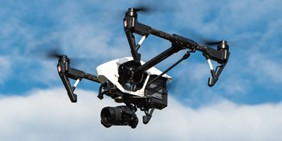 Packed with the latest sensing, machine-learning and computer processing technologies, the role of unmanned aerial vehicles (UAVs), also known as drones, is being redefined in next-generation emerging applications—finding increased use in markets seeking higher levels of safety and more efficient operations. The
  The naturaLED® 7X7 floodlight offers selectable wattages and color temperatures for versatile lighting solutions. With a flood beam distribution, it replaces up to 400-watt fixtures and includes a built-in photocell for efficiency. Its IP65 water-resistant rating ensures durability in outdoor conditions. Ideal for security, perimeters, entryways, facades, landscapes, and architectural lighting, it delivers bright and reliable illumination. The pre-installed 1/2” knuckle mount allows for easy installation and angle adjustment. This floodlight provides a flexible and energy-efficient solution for various residential and commercial applications. APPLICATIONS: Security, Architectural, Perimeter, Entryway, Pathway, Landscape
  Introducing the US LED’s Night Guard series of LED flood lights, the ultimate solution for versatile outdoor lighting. The Night Guard series offers field-adjustable CCT and wattage options, allowing custom illumination for project needs. Installers can choose from 3,000K to 5,000K, creating a warmer tone for a welcoming atmosphere or enhancing visibility with a daylight setting for security. The integrated photocell ensures automatic dusk-to-dawn operation, providing worry-free lighting control and additional energy savings. Engineered with specialized optics, the Night Guard series delivers precision lighting for any application, from security areas to exterior facades and offers multiple mounting accessories for maximum effectiveness. Embrace the perfect blend of performance, adaptability, and convenience with Night Guard LED flood lights.