Signify Launches Brighter Lives, Better World 2030

Signify launched Brighter Lives, Better World 2030, a new program designed to expand the reach of impactful, energy and resource-efficient lighting to improve lives, save energy, and preserve resources. The program is supported by new initiatives that support customer sustainability ambitions. Focusing on customers’ most pressing challenges, Brighter Lives, Better World 2030 responds to rising demand for efficient, connected and electrified solutions. Addressing increasing demand for electricity1 and volatile pricing, resource scarcity and the need for healthier, safer, more resilient and livable environments – the program transforms the potential of light into meaningful impact. Progress on Signify’s Brighter Lives, Better World 2030 program will be reported on a quarterly basis, in line with the company’s financial results. Signify Launches Brighter Lives, Better World 2030 – tEDmag
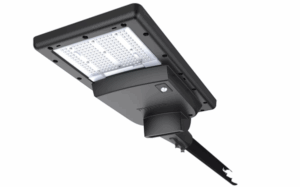 Signify, the world leader in lighting, introduces four new products – the Signify SunStay Pro gen2 and SunStay Pro gen2 mini, Signify GreenVision Xceed Pro and Signify Actistar – highlighting the company’s advances in solar and modular streetlighting as well as performance lighting for stadiums.
 Lightolier 3D Crown Series Small Track, from Signify’s Genlyte Solutions business was developed for retail, gallery and restaurant applications. The luminaire offers spec-grade performance, with interchangeable optics and accessory compatibility; a sleek, compact design (2-in. aperture) that’s easy to specify; excellent lumen maintenance for more consistency over time; sustainable 3D printing production; and eight different color options (with the possibility to mix and match the rim colors, too) to suit the interior design. The fixtures are made from 55% recyclable polycarbonate and are designed to support circularity at end of life. The Lightolier 3D Crown Series Small Track is scheduled for commercial release on Sept. 27.