Samsung Malaysia Unveils Full 2026 AI TV Lineup

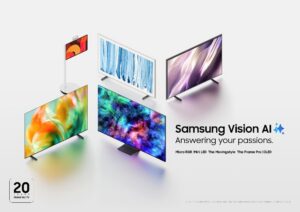 In its 20th year as the world’s No. 1 TV brand, Samsung is expanding AI-powered features across more models, bringing smarter picture, sound and personalized viewing experiences to more consumers worldwide. In 2026, Samsung is expanding Vision AI Companion (VAC) features across its 4K-and-above TV line up, reflecting its broader strategy to make AI a central part of the TV experience. The expansion brings AI-powered viewing to more categories, screen sizes and consumer needs.VAC brings together Samsung’s broadest range of AI service platforms, including Bixby, Perplexity and Microsoft Copilot, to make the TV experience more intelligent and personalized. Designed to work alongside users as an entertainment companion, VAC can help guide what to watch, what to eat and what to listen to, extending the role of the TV beyond viewing alone. The AI TV lineup also brings AI-enhanced entertainment features to movies, sports and gaming: [News] Samsung Malaysia Unveils Full 2026 AI TV Lineup – LEDinside