


Learners Live

ABC: Every State Had a Construction Unemployment Rate Below 10% in June

The national June not seasonally adjusted construction unemployment rate was 4.7%, a 1.3% increase from June 2025, according to a state-by-state analysis of U.S. Bureau of Labor Statistics data released today by Associated Builders and Contractors. The analysis found that every state had a construction unemployment rate below 10% and all but three states (Connecticut, New Jersey and Rhode Island) had a rate below 7%. ABC: Every State Had a Construction Unemployment Rate Below 10% in June
U.S. Regular Gasoline Prices (dollars per gallon – LOWEST SINCE 2021)

full history XLS

06/16/25 06/23/25 06/30/25 week ago year ago
U.S. 3.139 3.213 3.164 -0.049 -0.315
East Coast 2.983 3.072 3.031 -0.041 -0.358
New England 2.956 3.079 3.050 -0.029 -0.398
Central Atlantic 3.106 3.212 3.217 0.005 -0.309
Lower Atlantic 2.912 2.983 2.911 -0.072 -0.379
Midwest 3.026 3.087 3.051 -0.036 -0.364
Gulf Coast 2.735 2.844 2.739 -0.105 -0.332
Rocky Mountain 3.114 3.177 3.175 -0.002 -0.176
West Coast 4.127 4.162 4.109 -0.053 -0.127
West Coast less CA 3.800 3.855 3.835 -0.020 -0.077
Gasoline and Diesel Fuel Update – U.S. Energy Information Administration (EIA)

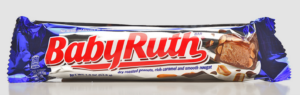
The Creator of Baby Ruth Actually Sued Babe Ruth –The Baby Ruth candy bar was created by the Curtiss Candy Company in 1920 — the same year that baseball legend Babe Ruth hit a then-record 54 home runs. But the Great Bambino was irked that the company was selling a candy bar with such a similar name to his own without offering him any royalties. Rather than take the Curtiss Candy Company to court, the Sultan of Swat decided to make his own candy bar, and in 1926 he debuted Ruth’s Home Run bar. The Curtiss Candy Company responded by turning the tables and taking Ruth to court. They accused the slugger of trying to steal their trademark and capitalize on the success of their brand. In a 1931 deposition, Curtiss founder Otto Schnering insisted the candy was named after “Baby Ruth” Cleveland — the daughter of President Grover Cleveland.  He also attested that the company came up with the name in 1919 before the baseball player had become a household name and that the name was merely coincidental. While the validity of those claims is disputed to this day, the court nonetheless ruled in favor of the candy company, forcing Ruth to end his foray into the world of candy.