


Learners Live

The AI Boom Is Transforming the American Economy Beyond Recognition by Justin Lahart

AI has rapidly become a huge economic factor while affecting everything from capital investment to how much you pay for an iPhone. The U.S. economy keeps putting more eggs in the artificial-intelligence basket.  Oxford’s Michael Pearce estimates that AI investment alone has been behind nearly a quarter of the growth in gross domestic product recently. The AI-boosted stock market is the other big source of support. In the first quarter, U.S. household net worth reached $174 trillion, according to the Federal Reserve, an increase of $13 trillion from a year earlier that was mostly due to stock gains. Since then, the broad S&P 1500 index has risen by about 15%, so net worth is likely trillions of dollars higher now. Those gains have been driven in large part by enthusiasm for AI. When people’s net worth increases, they spend more freely. Estimates of these wealth effects vary, but economists generally think that for every dollar in stock-market wealth gained, people spend a few cents more. The AI Boom Is Transforming the American Economy Beyond Recognition – WSJ

Divided Fed Holds Rates as Three Dissent

The Federal Open Market Committee voted 9-3 Wednesday to keep its benchmark rate at 3.5% to 3.75%, with three members dissenting in favor of an increase over inflation concerns. The split vote drew immediate attention because of what it revealed about the central bank under its new leadership. Reuters characterized the decision as a “hawkish hold” — a pause that leaves the door open to increases at future meetings. Markets reacted sharply. The decision sent bond yields higher and stocks lower before a partial rebound. Investors who had hoped the meeting would clarify the direction of policy under Chair Kevin Warsh came away without a clear answer, and some warned, per Reuters, that mixed messages on rates could unsettle both stocks and bonds in the months ahead. Divided Fed Holds Rates as Three Dissent · The Morning Brief
 

Interesting: The Three Pillars of Independence of an Organization

The 3 Pillars of Independence most commonly refers to a framework from the UK voluntary sector (specifically promoted by organizations like Bond and the Directory of Social Change). It is a toolkit for assessing and maintaining the independence of charities, NGOs, or civil society organizations.

The Three Pillars are:

  1. Independent of Party Politics – The organization (or regulator) must remain free from bias or influence by any political party or the government of the day. Decisions should be impartial, not favoring one political side.
  2. Independent of Populism – It should not be swayed by popular public opinion, media-driven campaigns, or transient public pressure, especially on controversial or unpopular causes.
  3. Independent of the Press – Freedom from media influence or pressure, ensuring decisions are based on evidence and law rather than headlines or public narratives.

This toolkit was created to monitor potential political encroachment on charitable regulation and to ensure charities can operate without undue external interference.


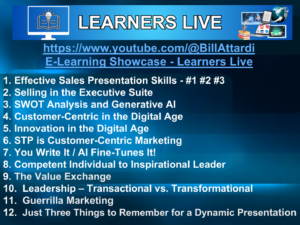
Check out the learning sessions we posted…

August Blog: Learning to Get Better by Bill Attardi

WE ARE NOW LIVE ON YOUTUBE: https://www.youtube.com/@BillAttardi