Learners Live

Decoding California’s Title 24, Part 6

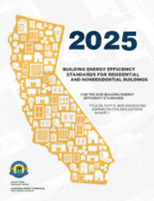
Commercial building energy codes regulate the design of nonresidential buildings to minimize energy consumption. While the majority of U.S. states adopt model codes and standards, the State of California developed its own code: Title 24, Part 6 of the state’s Building Standards Code. The latest version was released in 2025 and will take effect January 1, 2026. Title 24, Part 6 covers residential, nonresidential, high-rise residential, and hotel/motel buildings. Title 24, Part 6 contains robust, detailed lighting and control requirements. It requires a broad range of controls to ensure general lighting is turned Off or reduced when not needed.  .  For lighting, a number of changes have been made, mostly adjustments and clarifications. Decoding California’s Title 24, Part 6
CLTC’s 2022 Title 24, Part 6 Lighting Standards Videos

The California Lighting Technology Center is pleased to announce the release of its updated video series covering the 2022 Title 24, Part 6 lighting requirements. These videos aim to provide practical insights for implementing code-compliant lighting in both nonresidential and residential buildings across California. The video series features five segments, each focusing on a specific aspect of the 2022 Energy Code, effective January 1, 2023:

The Genesis of the U.S. Space Force – On December 20, 2019, President Donald Trump signed the National Defense Authorization Act (NDAA) for Fiscal Year 2020, officially creating the United States Space Force, a new and independent branch of the U.S. military. The establishment of the Space Force marked a historic shift in how the U.S. views and manages its military operations in space, reflecting the growing importance of space as both a domain of strategic competition and national security. The Space Force is tasked with ensuring the U.S. maintains its superiority in space, focusing on both the defense of space assets and the development of offensive capabilities. Its mission includes:

  1. Space Operations: Overseeing space-based systems, such as satellites, that provide essential services to the U.S. military, including communication, reconnaissance, and missile defense.
  2. Space Security: Protecting U.S. space infrastructure from threats, including anti-satellite weapons, cyberattacks, and other potential forms of disruption by adversarial nations.
  3. Space Research and Development: Developing and deploying cutting-edge space technologies, including space-based defense systems, that ensure the U.S. maintains an edge in space exploration and military operations.
  4. Supporting National Defense: Integrating space capabilities into broader national defense strategies, ensuring that U.S. forces can operate effectively in space as part of a multi-domain approach to warfare.

The Space Force is designed to streamline and strengthen the U.S. military’s space operations, which were previously under the purview of the U.S. Air Force. By separating space operations into a distinct branch, the government hoped to increase focus on space as a critical area of national defense and enhance the U.S. military’s ability to respond to emerging threats. Source: Day in History