Decoding California’s Title 24, Part 6

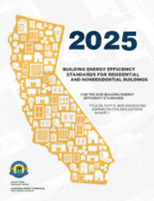 Commercial building energy codes regulate the design of nonresidential buildings to minimize energy consumption. While the majority of U.S. states adopt model codes and standards, the State of California developed its own code: Title 24, Part 6 of the state’s Building Standards Code. The latest version was released in 2025 and will take effect January 1, 2026. Title 24, Part 6 covers residential, nonresidential, high-rise residential, and hotel/motel buildings. Title 24, Part 6 contains robust, detailed lighting and control requirements. It requires a broad range of controls to ensure general lighting is turned Off or reduced when not needed. . For lighting, a number of changes have been made, mostly adjustments and clarifications. Decoding California’s Title 24, Part 6