Learners Live

BriteSwitch: Commercial Lighting Rebates Are Still Widely Available

As energy demand continues to rise, driven in part by new data centers built to support the growth of artificial intelligence, both homes and businesses are feeling the pressure of higher utility bills. For commercial customers, those increases are bringing renewed attention to energy-saving projects. One of the most familiar options, lighting upgrades, is once again becoming a way for businesses to help offset rising operating costs. Support for commercial lighting rebates remains strong and help make an even stronger case for lighting upgrades. Currently, 75% of the U.S.has access to an active commercial lighting rebate program. Rising Electric Rates Make Lighting Upgrades Worth Another Look

LED-to-LED Upgrades: Emerging Well of Opportunity?

As the market for replacing traditional light sources with LED becomes more challenging, a new market is developing around upgrade of early-generation LED installations. This presents an opportunity to achieve greater energy savings, enhance lighting quality, and integrate advanced lighting controls. Supported by a small number of new commercial lighting rebates that are likely to expand in availability, this trend appears certain to grow. LED-to-LED Upgrades: Emerging Well of Opportunity?

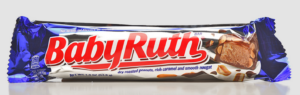
The Creator of Baby Ruth Actually Sued Babe Ruth –The Baby Ruth candy bar was created by the Curtiss Candy Company in 1920 — the same year that baseball legend Babe Ruth hit a then-record 54 home runs. But the Great Bambino was irked that the company was selling a candy bar with such a similar name to his own without offering him any royalties. Rather than take the Curtiss Candy Company to court, the Sultan of Swat decided to make his own candy bar, and in 1926 he debuted Ruth’s Home Run bar. The Curtiss Candy Company responded by turning the tables and taking Ruth to court. They accused the slugger of trying to steal their trademark and capitalize on the success of their brand. In a 1931 deposition, Curtiss founder Otto Schnering insisted the candy was named after “Baby Ruth” Cleveland — the daughter of President Grover Cleveland.  He also attested that the company came up with the name in 1919 before the baseball player had become a household name and that the name was merely coincidental. While the validity of those claims is disputed to this day, the court nonetheless ruled in favor of the candy company, forcing Ruth to end his foray into the world of candy.