


Amazon’s Toaster-Shaped Robotaxis Are Hitting the Road by Ellie Davis

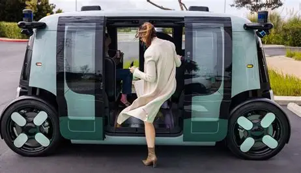 The company is the first to charge for rides in its autonomous vehicle without a steering wheel, dashboard or pedals charging for rides across San Francisco and in Las Vegas. They can drive in either direction and hold up to four passengers who sit facing each other. Windows stretch across much of the sides. The vehicles are called Zoox and they come from a new entrant in robotaxis: Amazon.com AMZN. Amazon is betting it can become a major player in the growing robotaxi market, which Goldman Sachs expects to grow to nearly $19 billion in sales by 2030, from $376 million last year. It is a risky move. Alphabet’s Waymo, the early leader with roughly 4,000 vehicles operating in various cities, and Tesla provide stiff competition. Amazon bought Zoox in 2020 for $1.2 billion. Amazon’s Toaster-Shaped Zoox Robotaxis Hitting the Road in San Francisco and Las Vegas – WSJ