Meta Expands Louisiana Data Center Project With $50B Investment

Meta announced Monday that it is expanding its Richland Parish, Louisiana, data center to 5GW of compute capacity in a town that’s already seeing big returns for teachers, local businesses, and students. The data center expansion is an investment of more than $50 billion in the Richland Parish region — one of the largest investments in AI infrastructure in the world, build in America — supporting infrastructure projects, workforce development programs, and an energy agreement that is expected to save Entergy Louisiana customers more that $2 billion over 20 years, on top of the $650 million in savings for customers from the first agreement. Louisiana Delta Community College is receiving a $5 million donation from Meta to create scholarships to train local residents for critical data center jobs. All graduates from Richland Parish’s high schools, beginning with the class of 2026, will be eligible for full scholarships for any data center-related trade certificate or course.Meta Expands Lousiana Data Center Project With $50B Investment – tEDmag
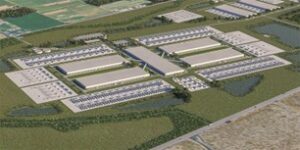 A transformational investment that cements the state’s status as a major innovation hub and puts this picturesque rural community on the leading edge of a global digital revolution. Meta projects the data center will support 500 or more direct new jobs in Richland Parish.
  Meta and other tech companies are scouring rural America for land, transmission lines and natural gas.